




SEWAGE TREATMENT PLANTS (STP)
SEWAGE TREATMENT PLANTS (STP)
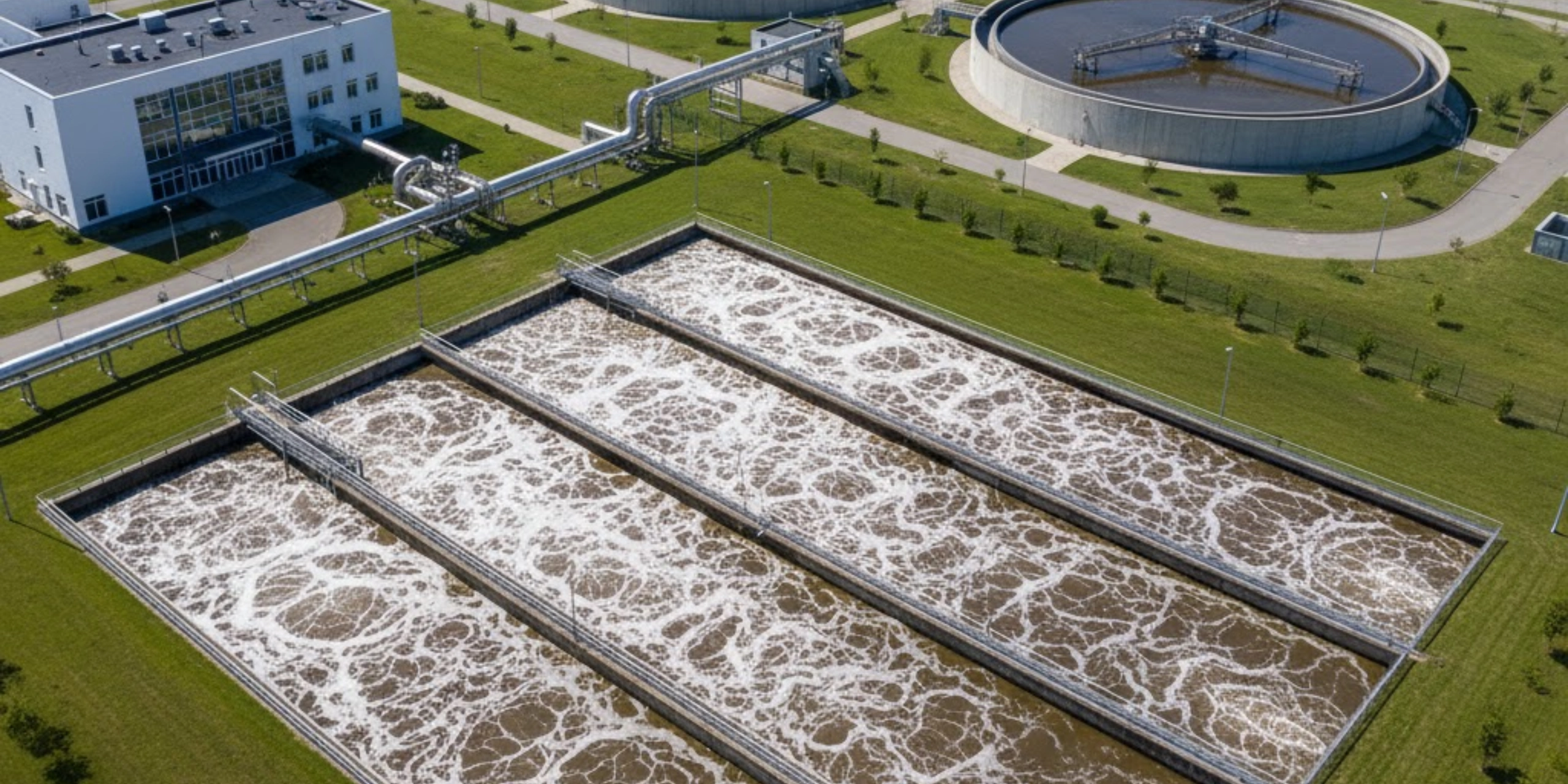
Extended Aeration
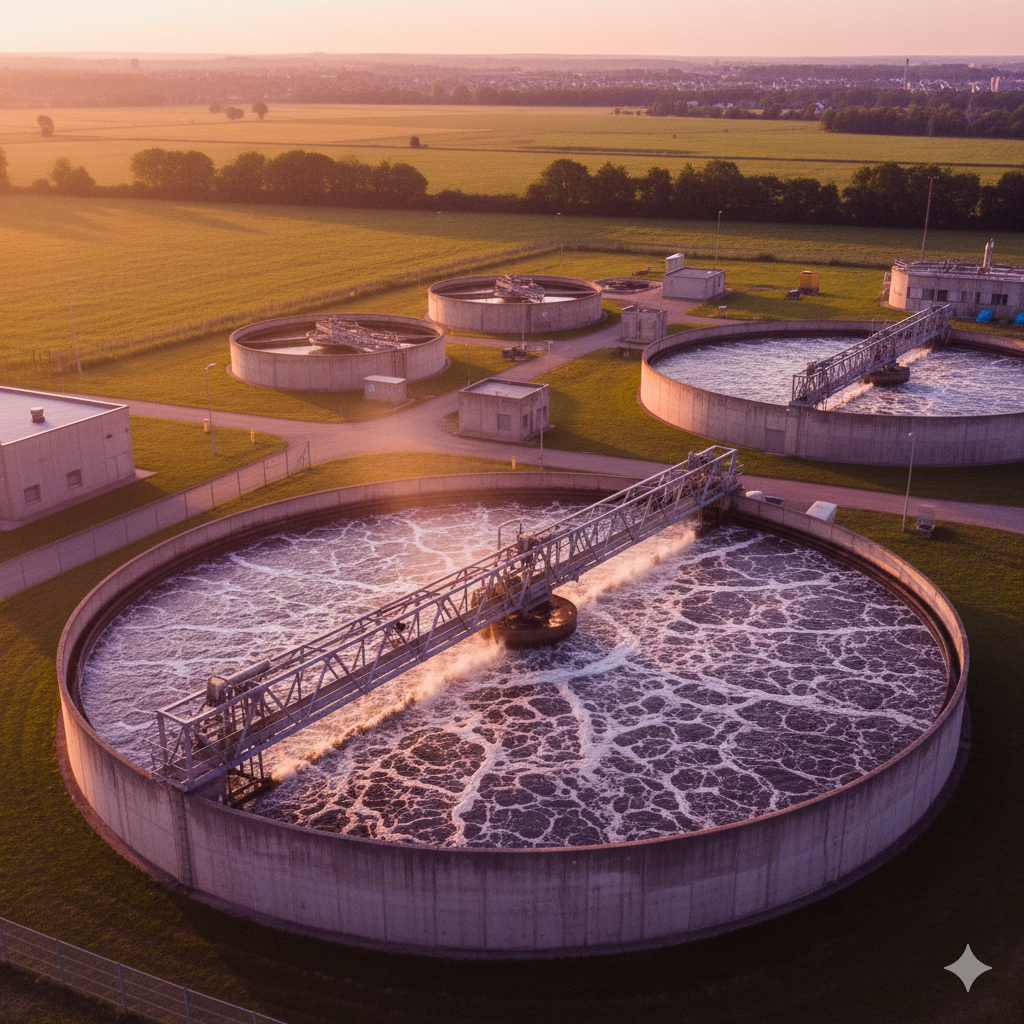
Extended Aeration is an advanced type of activated sludge process that eliminates the need for primary settling and operates with a long aerobic detention time. This results in significantly reduced sludge production. It is especially suitable for small-scale or modular wastewater treatment applications, such as residential communities, where low maintenance and reliable performance are essential.
Moving Bed Bio Reactor (MBBR)
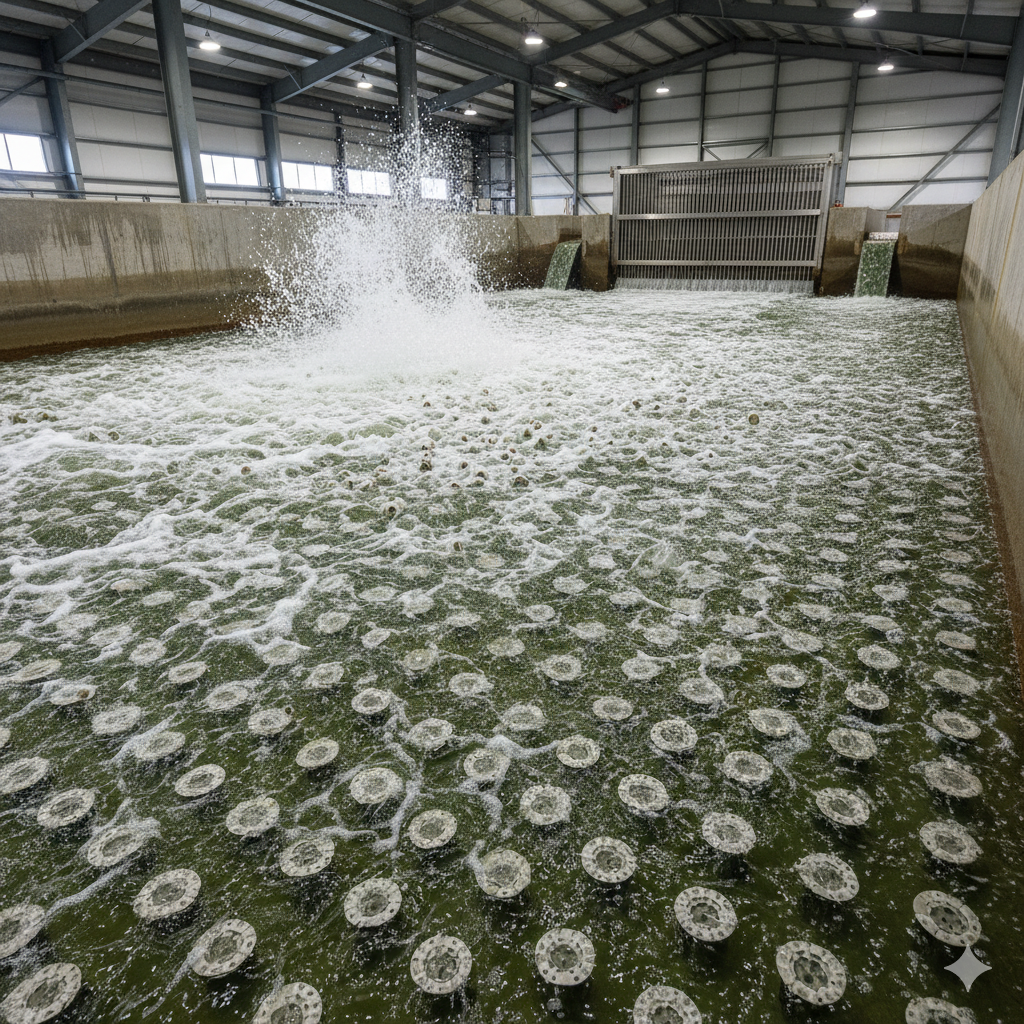
Moving Bed Biofilm Reactor (MBBR) is a biological wastewater treatment technology suitable for both municipal and industrial use. Developed in the 1980s, it provides an economical and efficient solution for sewage treatment with low energy consumption.
In MBBR systems, plastic carriers with large surface areas support biofilm growth, enhancing contact between water, air, and bacteria for efficient organic removal, nitrification, and denitrification. The process does not require sludge recycling and operates without a return activated sludge (RAS) line.
Benefits of MBBR Technology:
- Compact design saves space
- Easy operation and maintenance
- Handles high load volumes
- Simple to expand by adding more carriers
- Lower sludge generation and discharge cost
- Improves nitrification due to high sludge retention time
- Can retrofit existing systems to boost capacity
Submerged Aerobic Fixed Film (SAFF)
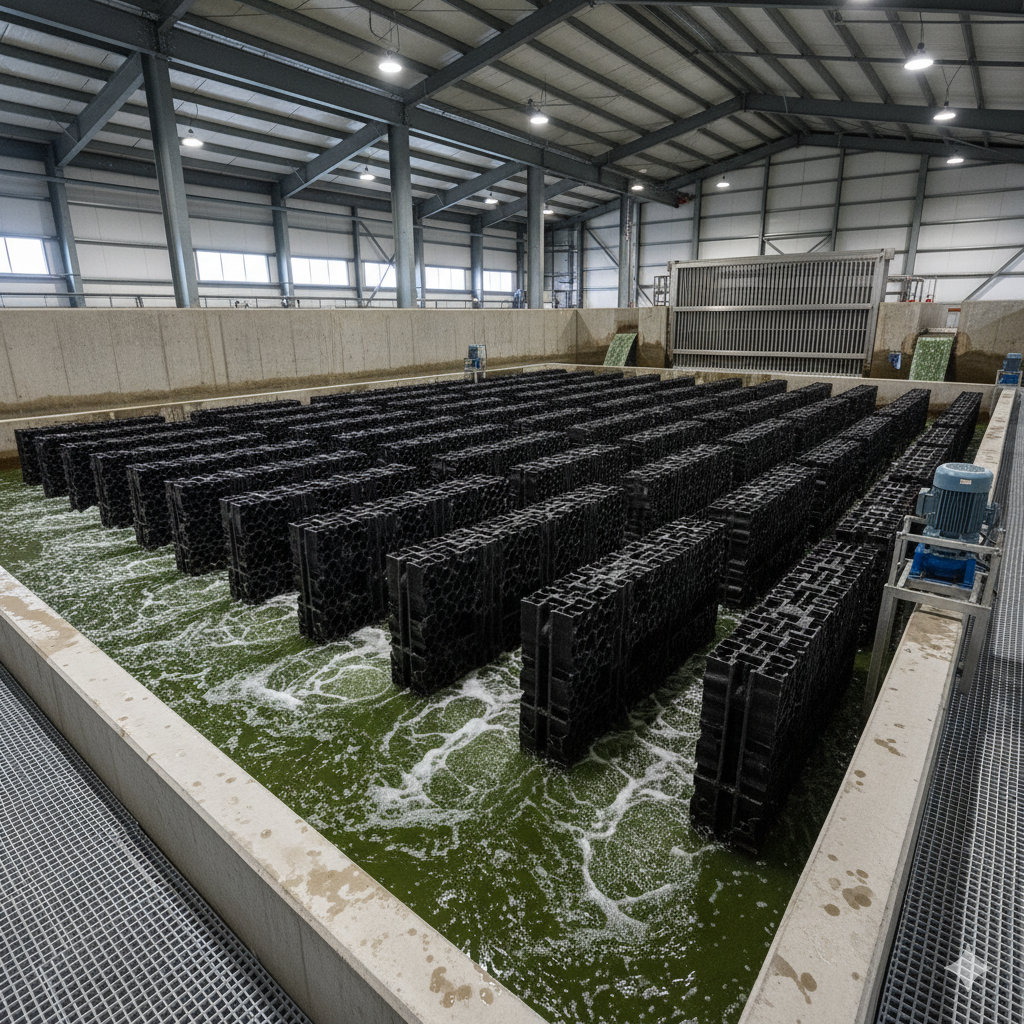
Submerged Aerobic Fixed Film (SAFF) technology combines the benefits of Fixed Film Treatment and Fine Bubble Diffused Aeration to deliver efficient and reliable wastewater treatment. It is particularly suitable for medium and low-strength wastewater from both municipal and industrial sources.
At Swaran, we design high-quality Submerged Aerated Fixed Film (SAFF) systems that effectively reduce Biochemical Oxygen Demand (BOD) and ammonia nitrogen levels in settled sewage and industrial effluents. The process uses specially designed media that provide a large surface area for microbial growth, ensuring better biological treatment and consistent performance.
SAFF technology offers several advantages, including low maintenance, compact design, minimal sludge generation, and high treatment efficiency. It is an ideal choice for decentralized treatment plants, housing complexes, hotels, and industrial facilities seeking a sustainable and cost-effective solution for wastewater management.
Membrane Bio Reactor (MBR)
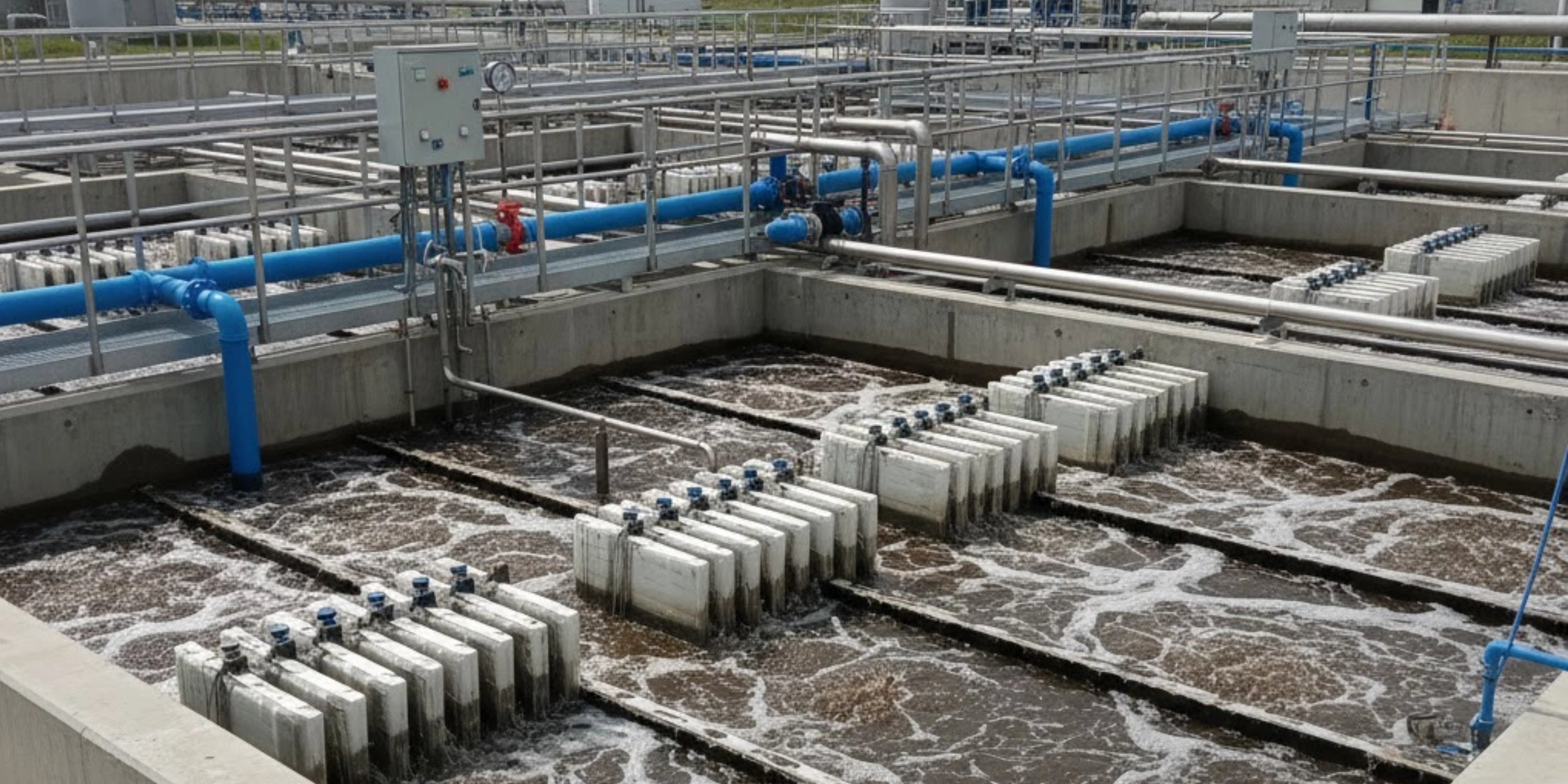
Membrane Bioreactor (MBR) technology is an advanced wastewater treatment process that combines biological treatment with membrane filtration, such as microfiltration or ultrafiltration, to produce high-quality effluent. In this system, semi-permeable membranes are submerged in aerated reactors, allowing clean water to pass while retaining solids and microorganisms. MBR systems offer several benefits, including compact design, low sludge production, and ease of automation. They also provide higher loading capacity, shorter retention times, and efficient nutrient removal. Due to these advantages, MBR technology is widely used for both municipal and industrial wastewater treatment applications.
Sequential Batch Reactor (SBR)
Sequencing Batch Reactor (SBR) technology is an advanced wastewater treatment system that operates on a fill-and-draw principle using a single tank for equalization, aeration, and clarification. It is ideal for treating both municipal and industrial wastewater efficiently within one reactor through a timed sequence of operations.
Key Advantages:
High treatment efficiency – Ensures effective removal of organic matter and pollutants.
Low maintenance and cost – Simple operation with minimal manual intervention.
Compact and flexible design – Requires less space and can be easily expanded as needed.
Because of its reliability and superior performance, SBR technology is widely used in modern sewage treatment plants to produce high-quality effluent that meets stringent discharge standards.
Ultra Filtration
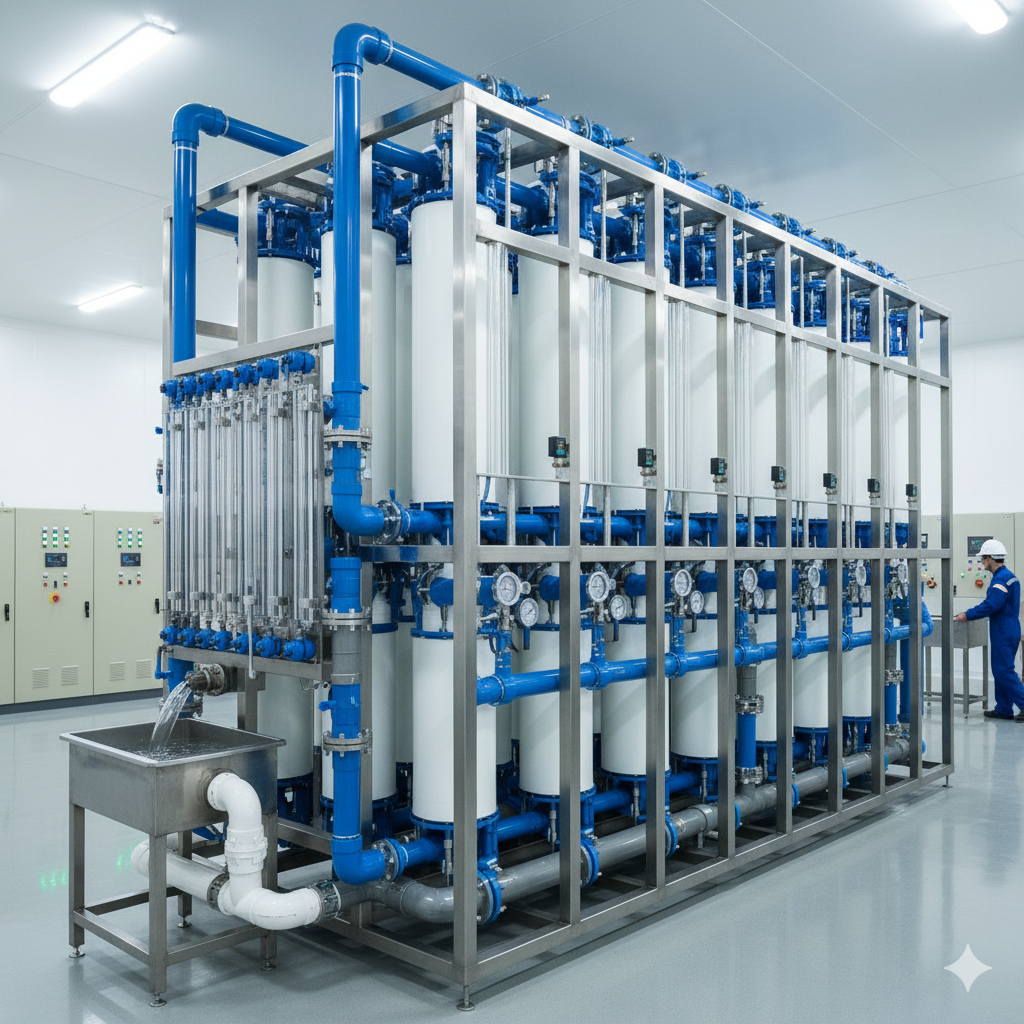
Ultrafiltration (UF) is an advanced membrane-based water purification technology designed to remove physical impurities and microbial contaminants from water. It is a pressure-driven process in which water passes through a semipermeable membrane that allows small molecules, such as water and salts, to pass while blocking larger particles like bacteria, proteins, and suspended solids. UF effectively reduces turbidity and removes colloidal matter, making it an ideal pretreatment method for desalination, reverse osmosis, and wastewater recycling. This technology provides high-quality purified water with low energy consumption and minimal chemical use, making it suitable for both industrial and domestic water treatment applications.